
The Lower Limb Wound Pathway
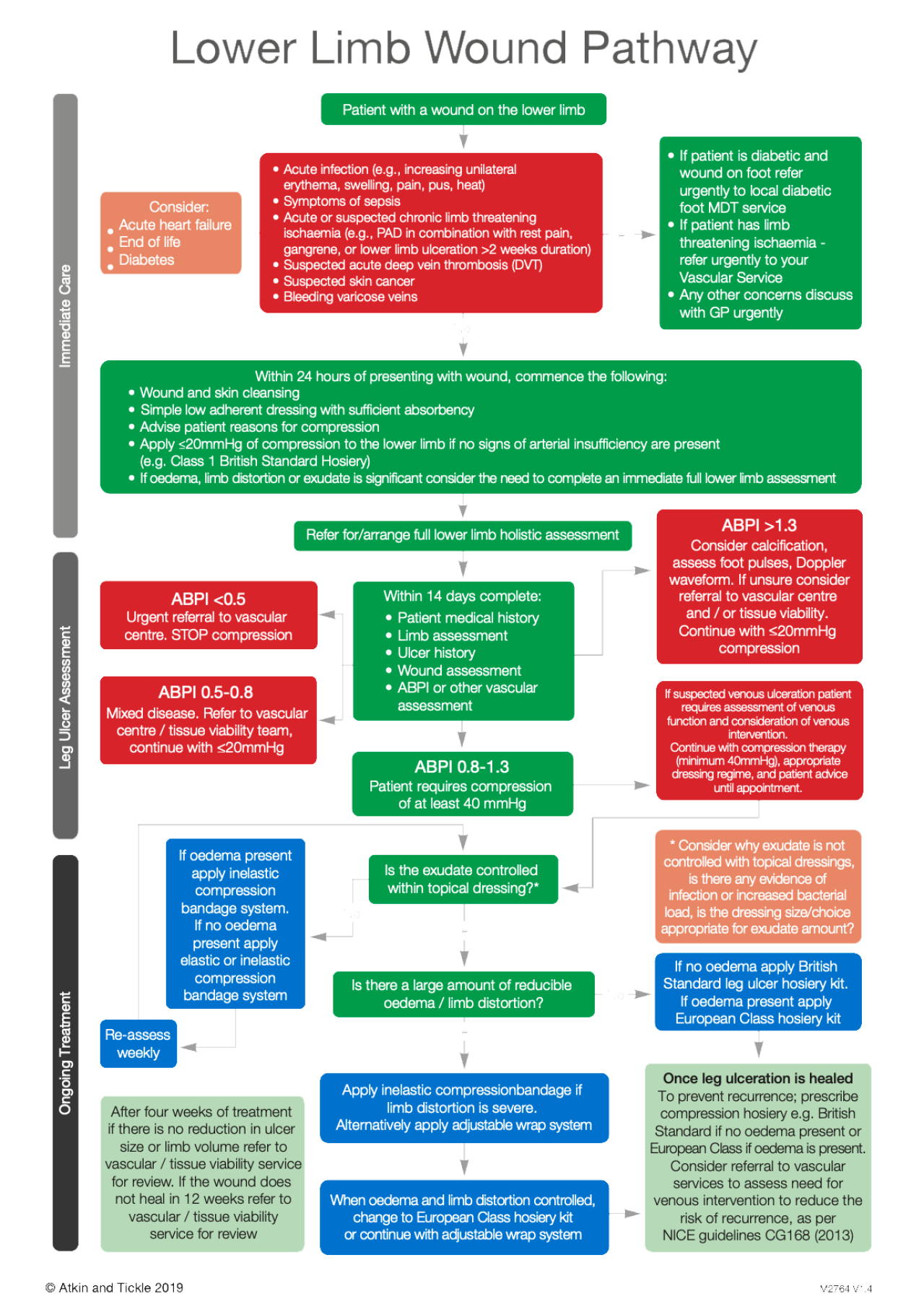
Leg ulcers are a burden common issue for patients and place significant pressure on the NHS. To reduce costs and ease nursing workloads while maintaining high-quality care, the NHS needs more effective ways of working.
A treatment plan that supports diagnosis and uses strong compression as the primary approach to managing venous leg ulcers can improve patient safety, enhance patient experience, save nursing time, and increase the effectiveness of care.
Adopting the Lower Limb Pathway approach can help you achieve these goals.

Lohmann Rauscher
Lower Limb Wound Pathway
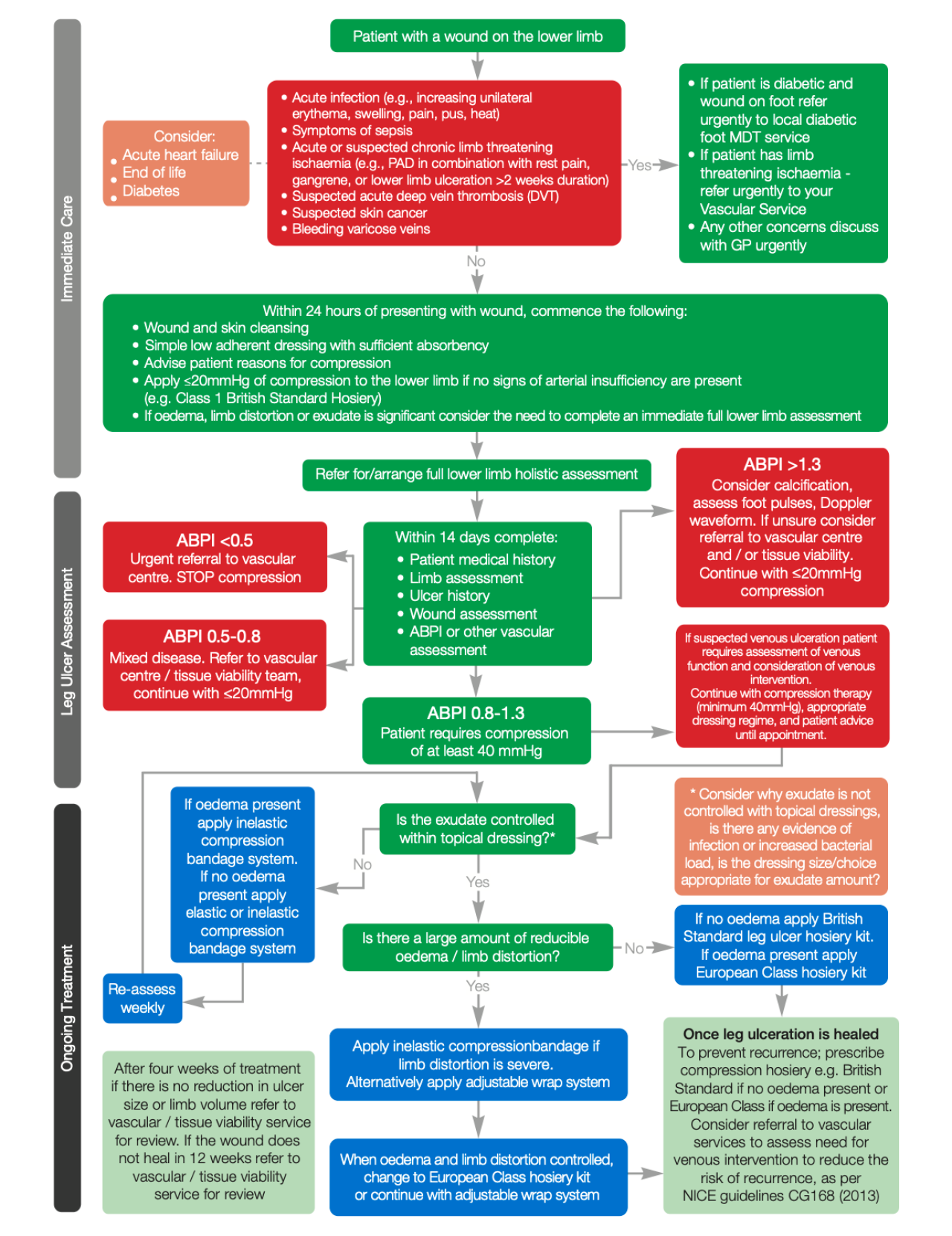
Immediate and Necessary Care
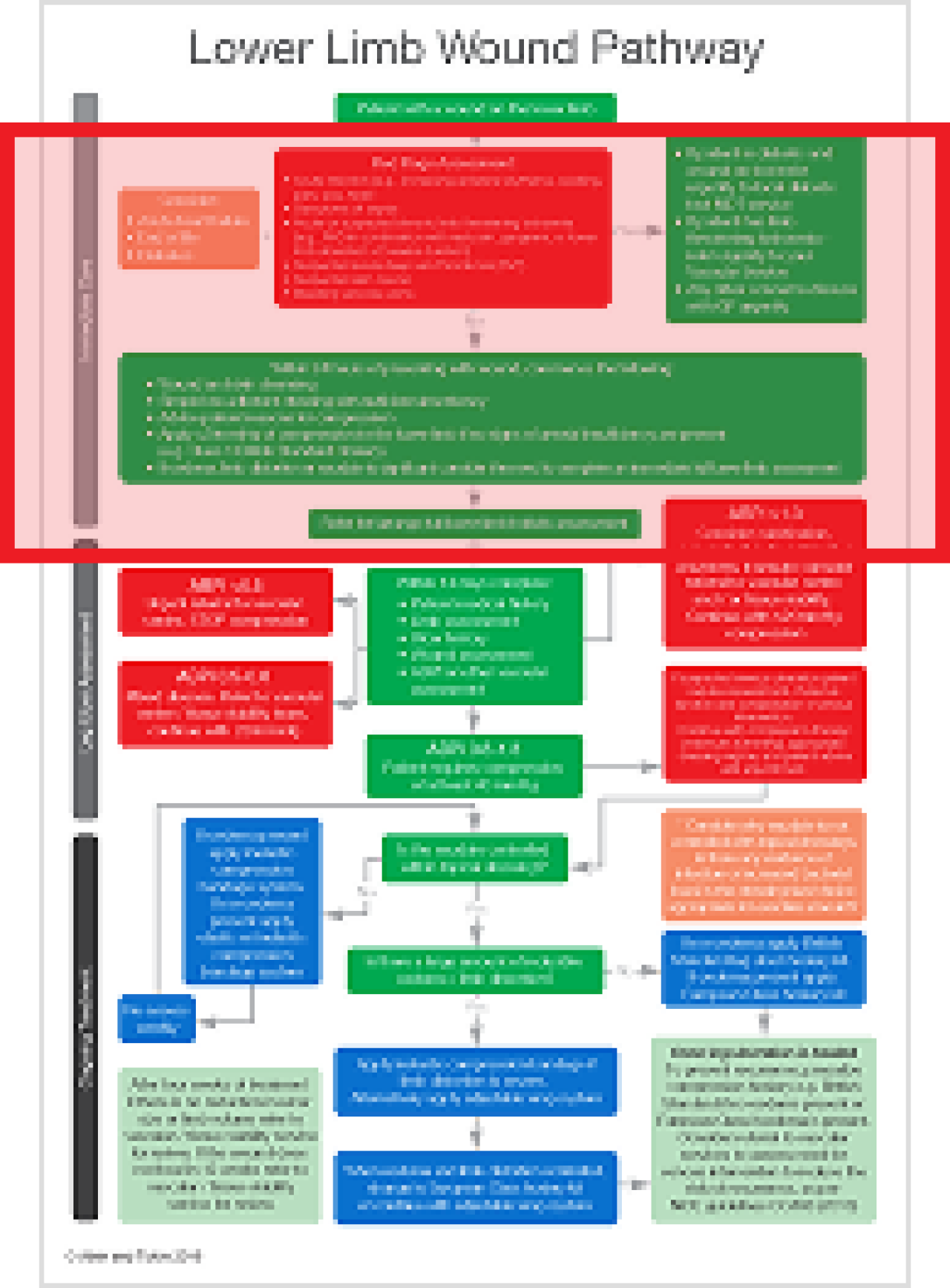
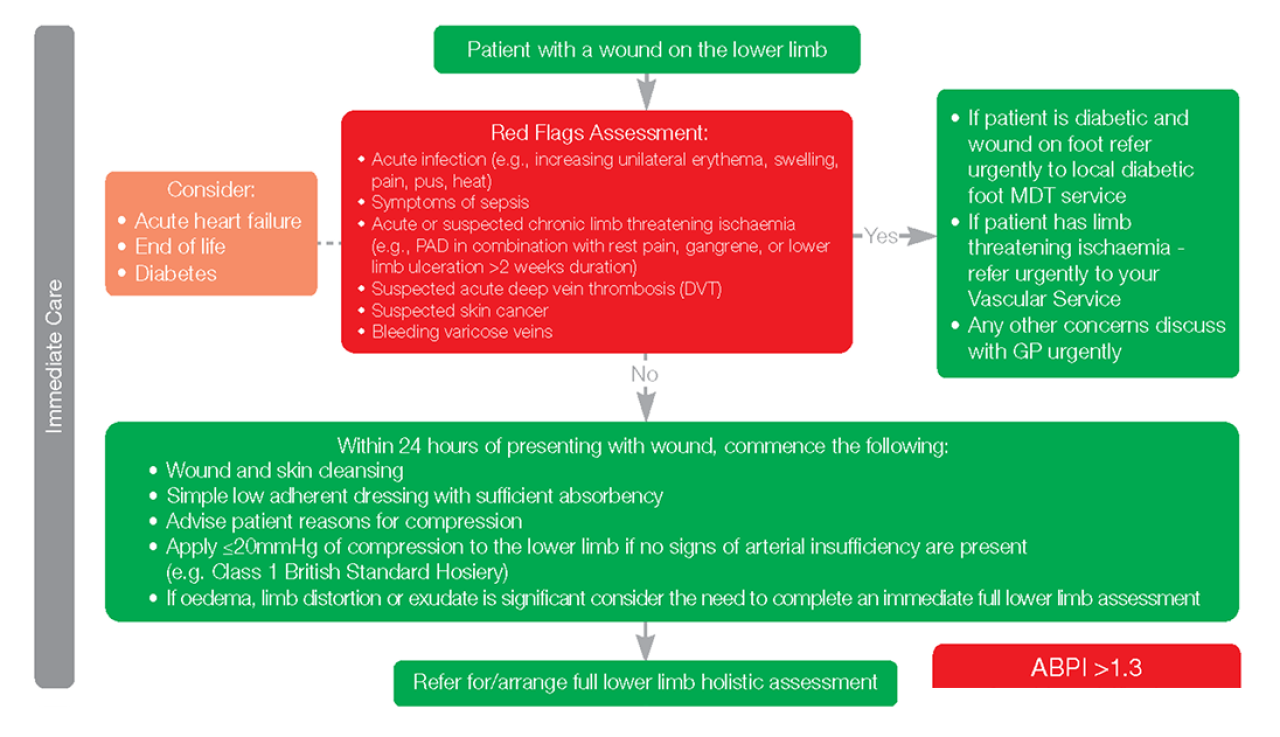
Immediate and Necessary Care ensures that all wounds receive prompt, evidence‑based intervention from the very first presentation, rather than delays in care being left untreated while awaiting full assessment or referral. This approach is designed to reduce harm, prevent deterioration, and improve outcomes
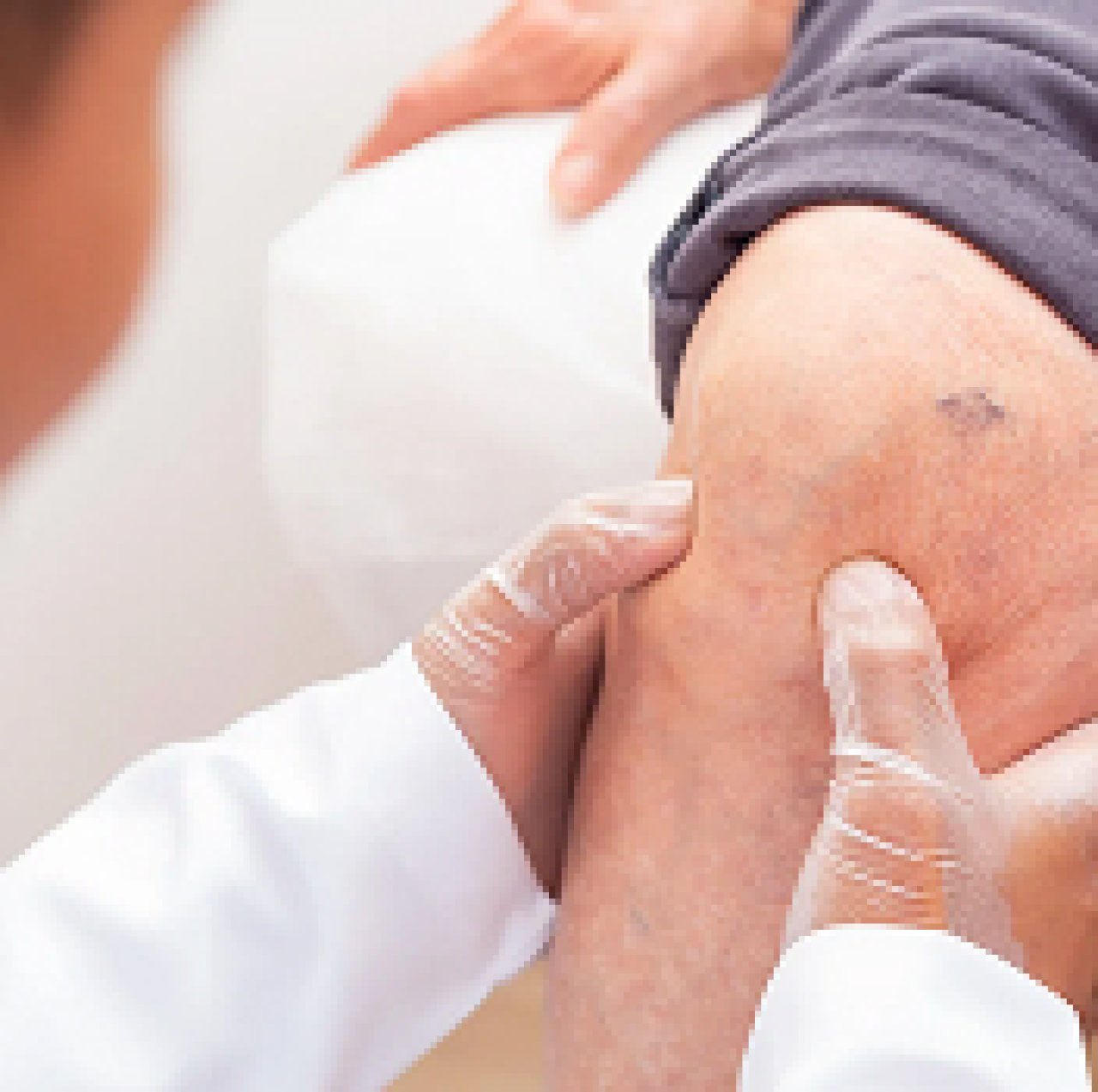
Immediate Care and Red Flags

Activa British Standard
Activa Liners
Lomutell Pro
Suprasorb P

Lower Limb Wound Pathway
Immediate and Necessary Care
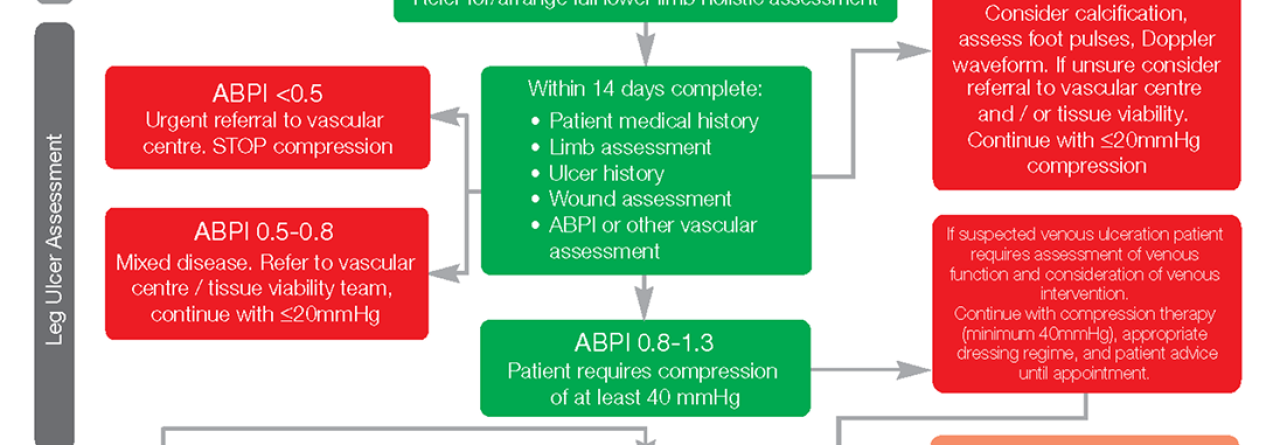
Leg Ulcer Assessment
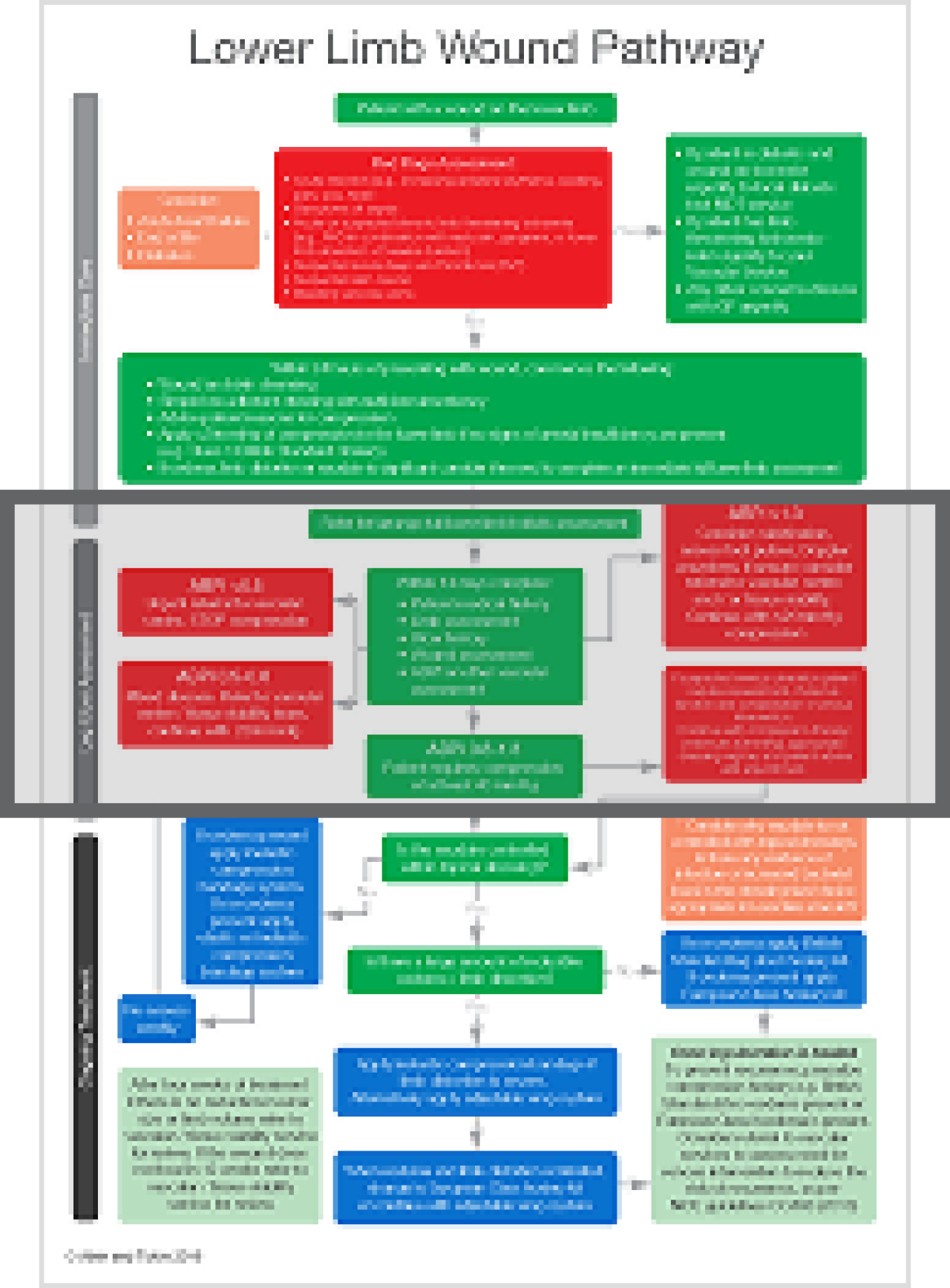
A Leg Ulcer Assessment is a critical step in the Lower Limb Pathway because it ensures that the underlying cause of the wound is correctly identified, enabling safe, effective, and evidence‑based treatment. Without this assessment, there is a significant risk of inappropriate care and avoidable harm.
Lower Limb Wound Pathway
Leg Ulcer Assessment
Ongoing Treatment
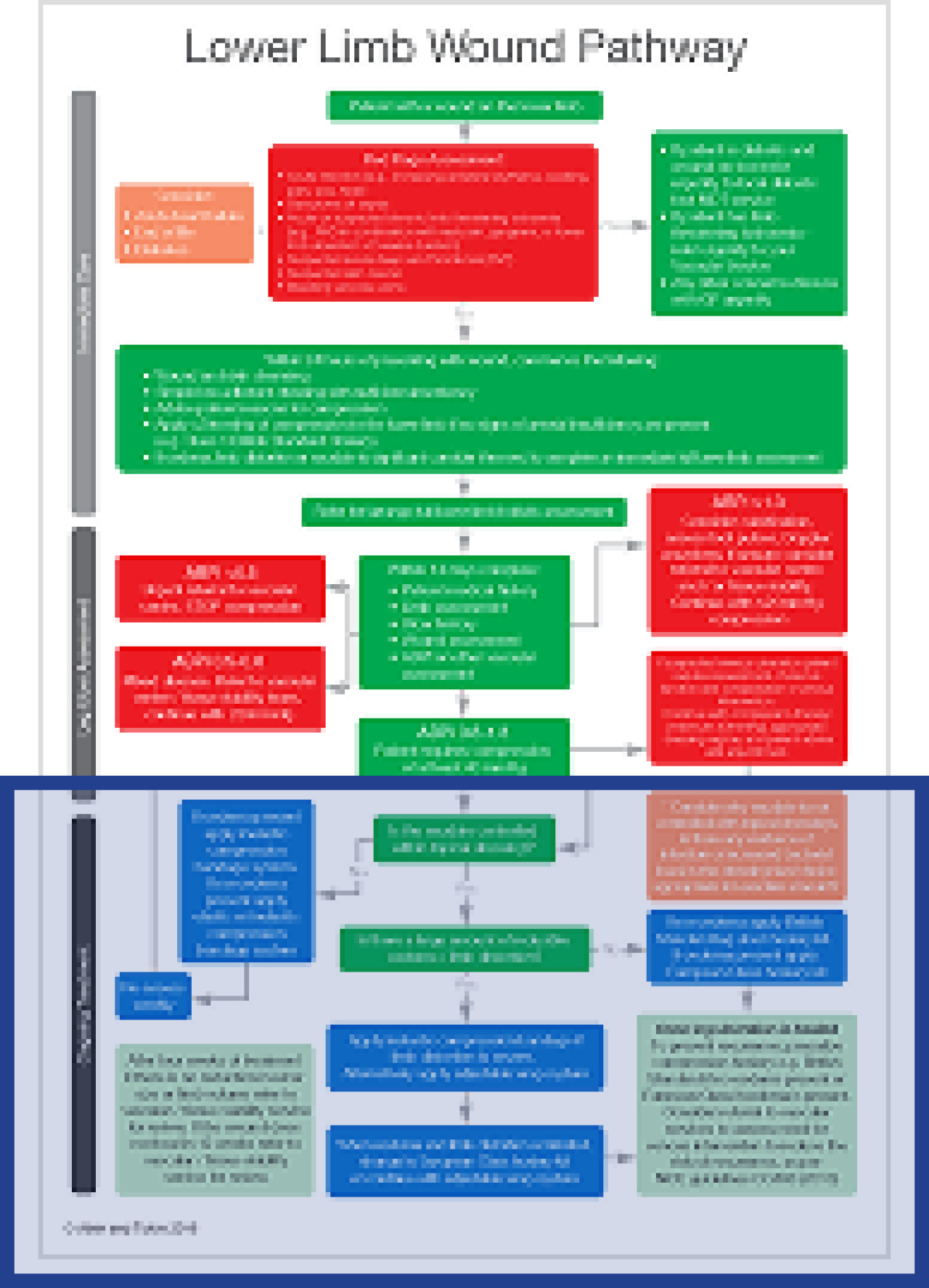
Ongoing Treatment focuses on maintaining effective strong compression therapy, monitoring progress, and adjusting treatment as the limb condition changes, once initial assessment and safe compression decisions have been made. Its purpose is to support healing, prevent deterioration, and reduce recurrence through structured review and appropriate escalation.
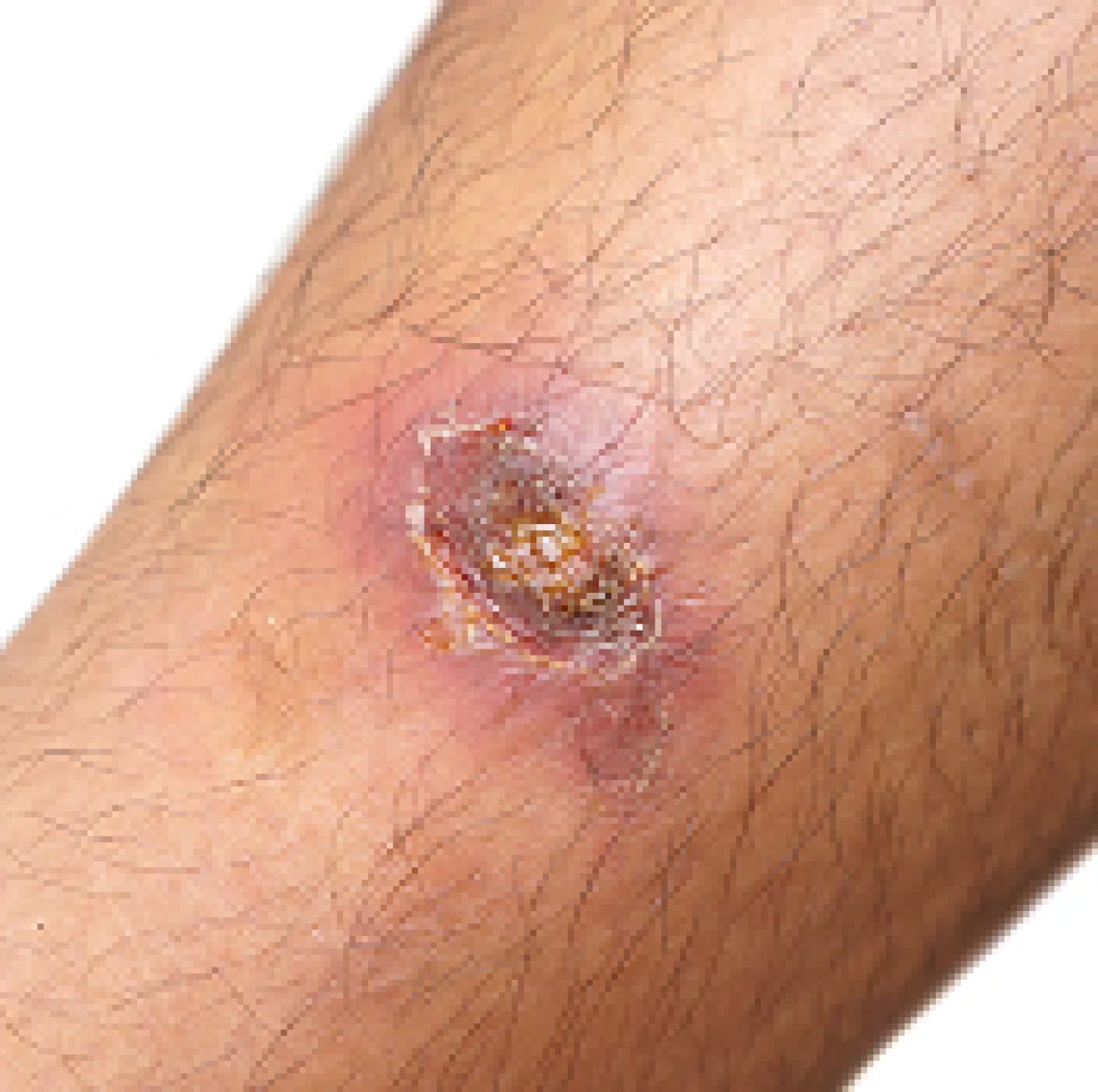
Leg Ulcer Management
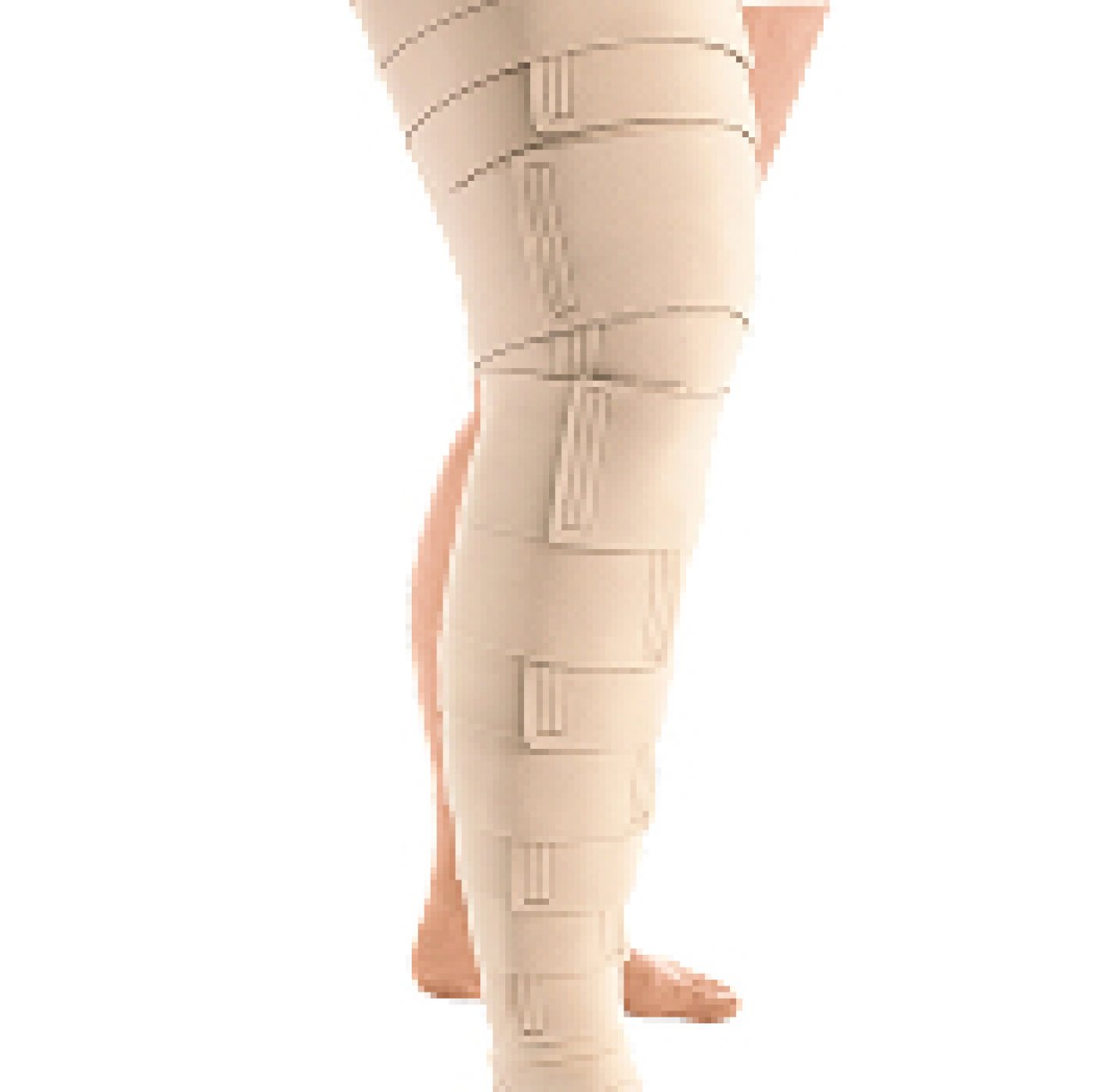
ReadyWrap
Leg Ulcer Hosiery Kits
Actico
Debrisoft

Woundcare range
Lower Limb Wound Pathway
Ongoing Treatment
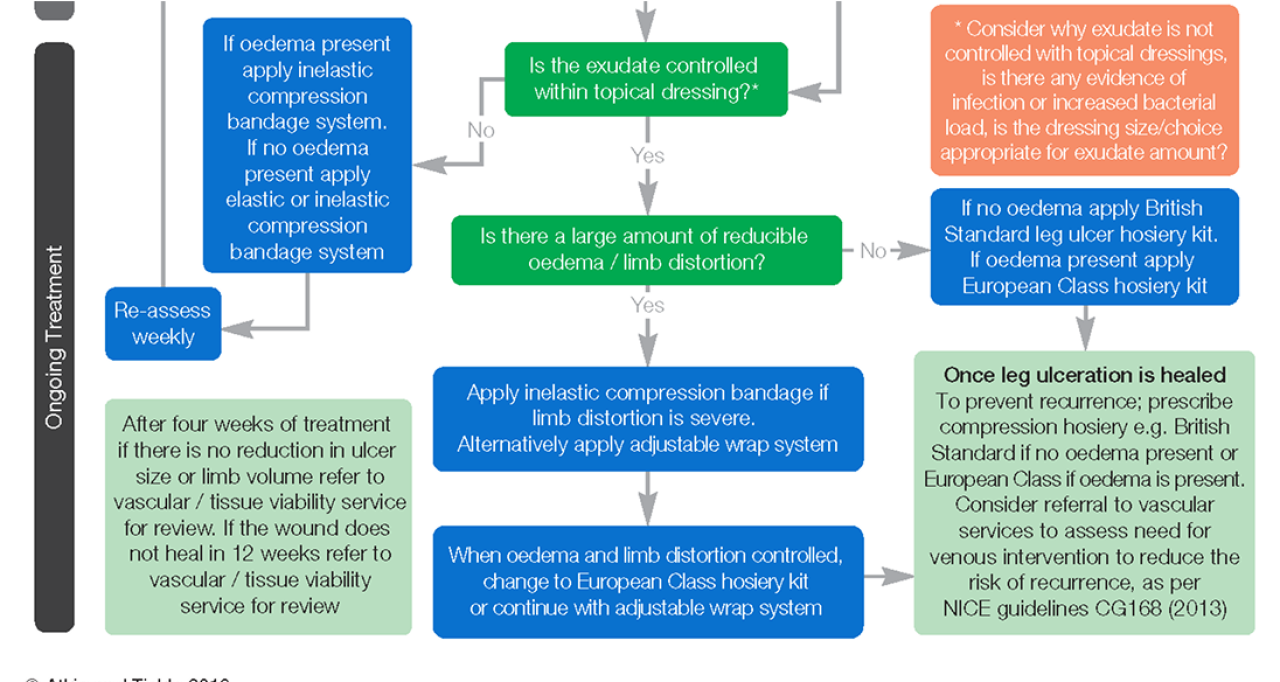
Maintenance
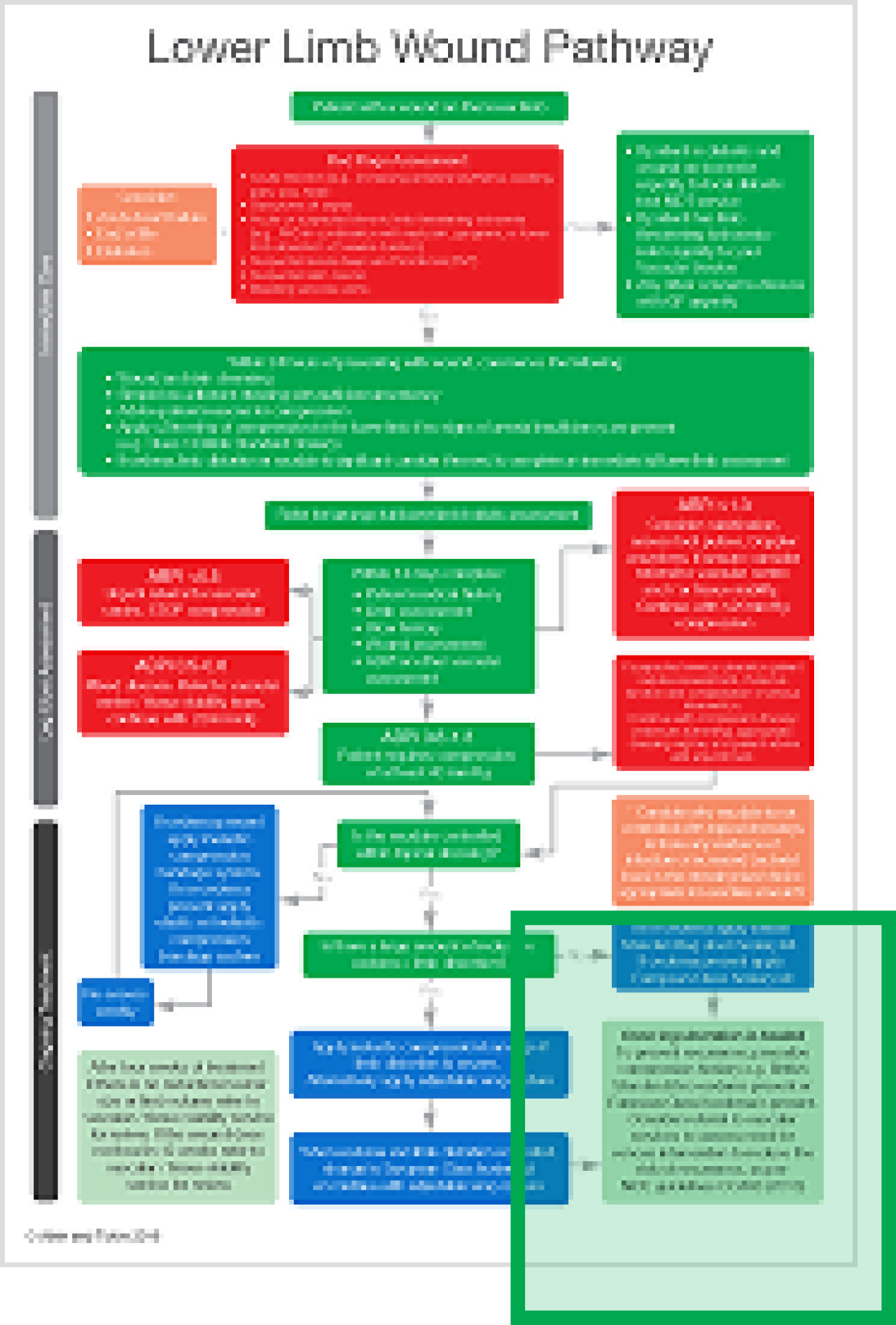
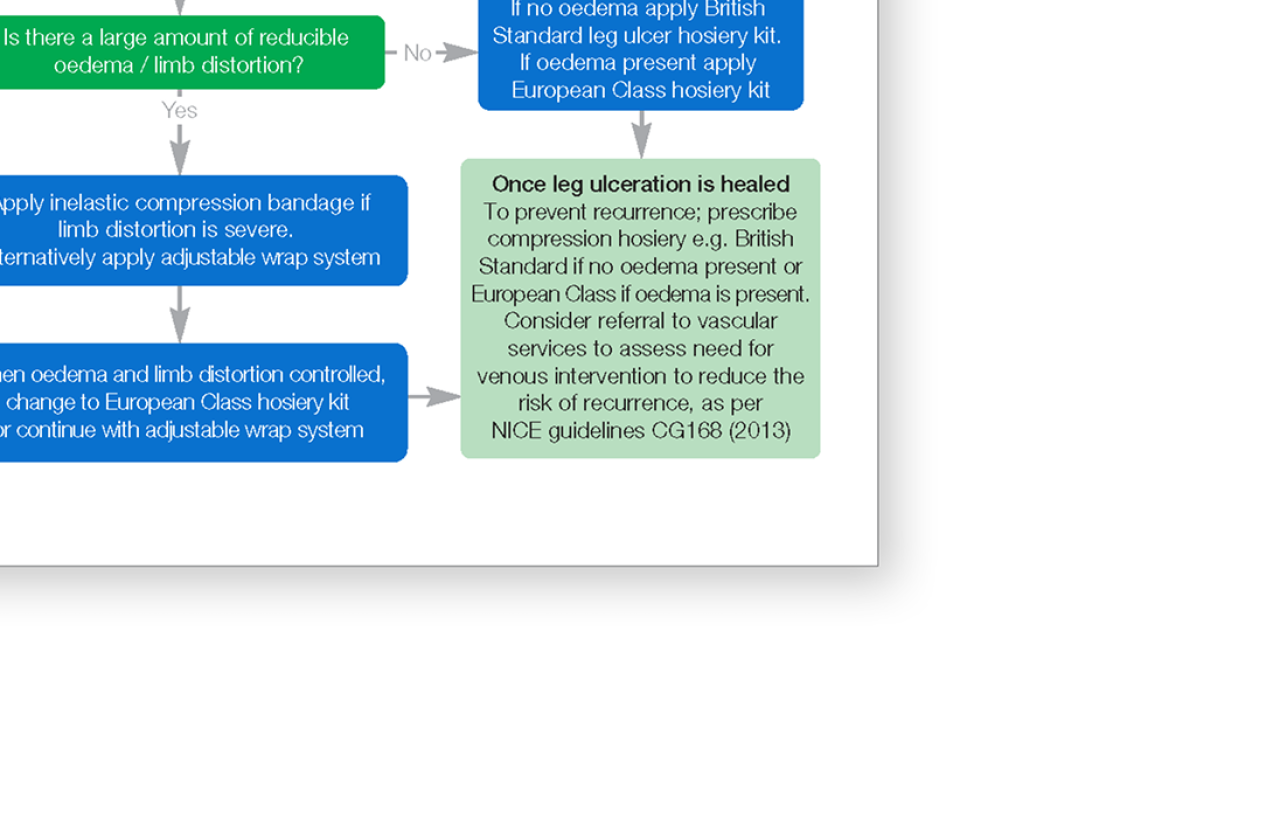
Up to 69% of wounds reoccur annually. The Maintenance section of the Lower Limb Pathway focuses on preventing recurrence once the wound has healed or is close to healing. It recognises that lower‑limb ulceration is often a long‑term condition, and that stopping treatment once the wound heals closes significantly increases the risk of re‑ulceration. Maintenance is therefore about protecting healing gains, sustaining limb health, and supporting long‑term self‑care.
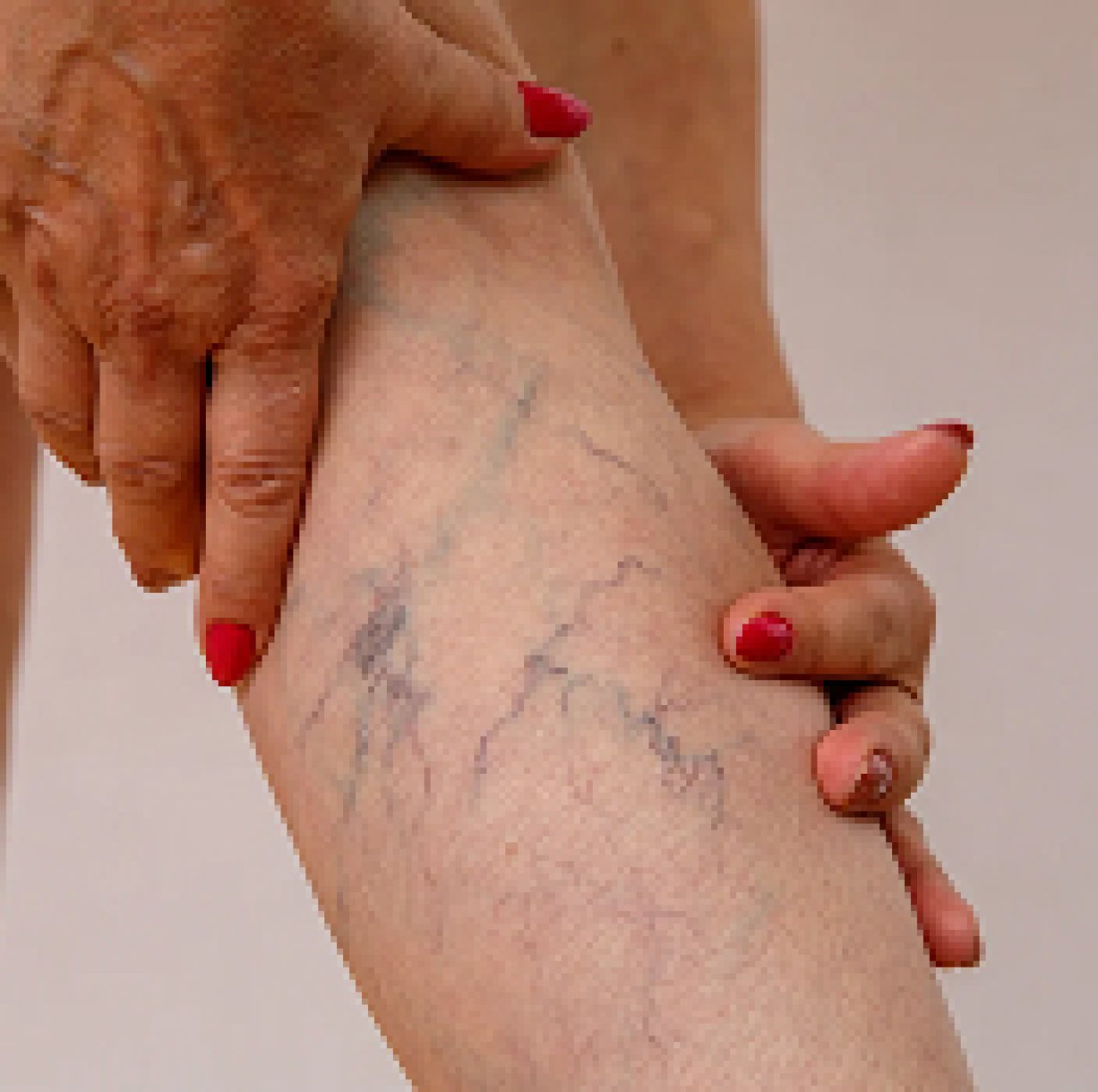
Prevention and Maintenance

Compression Hosiery range
ReadyWrap
Debrisoft
Lower Limb Wound Pathway
Maintenance
Would you like further information on implementing the Lower Limb Pathway?
Please leave your contact details and we will be in touch.