L&R Medical
Woundcare

The New Debrisoft® Family

clinical information

The New Debrisoft range effectively prepares wounds to heal by simply removing barriers to healing

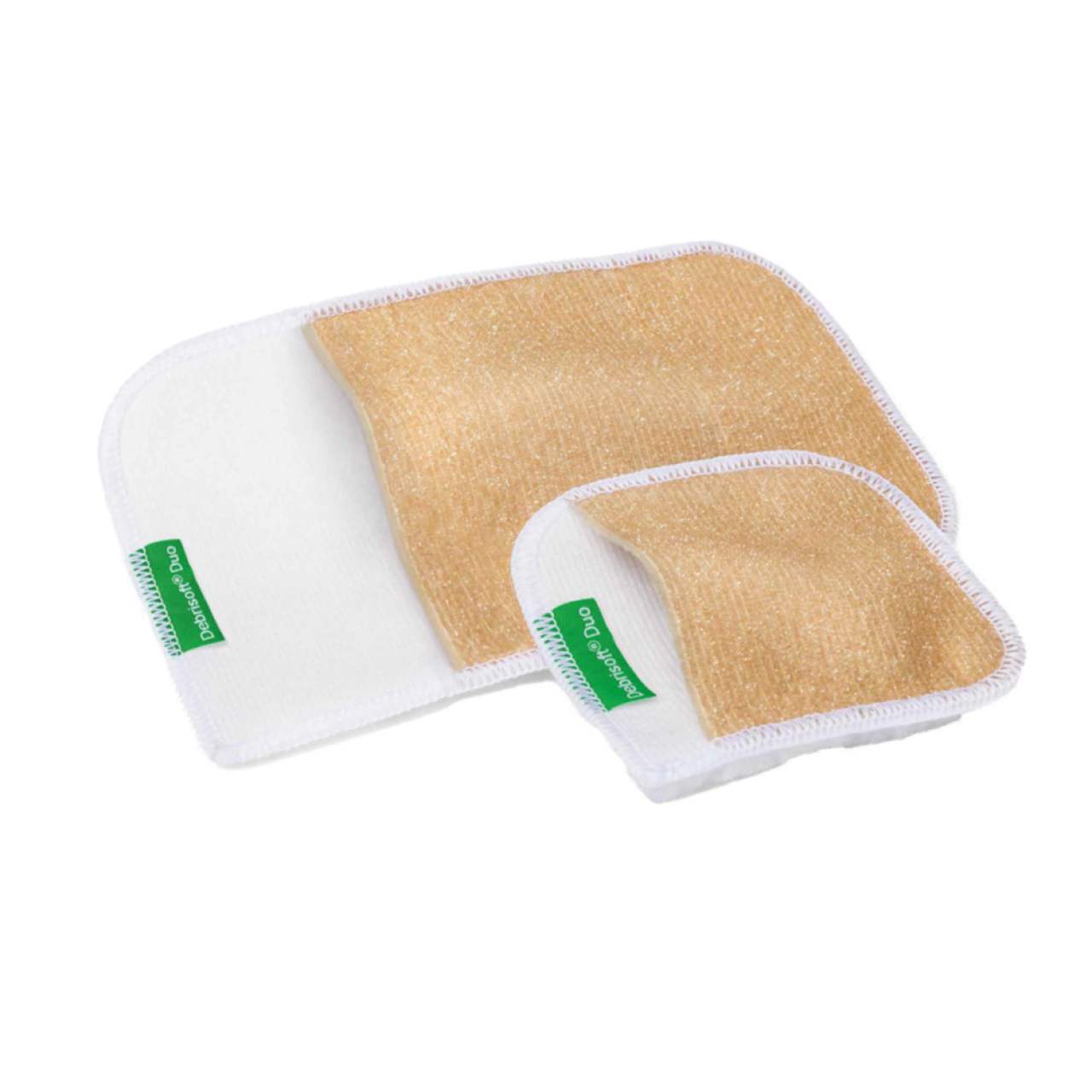
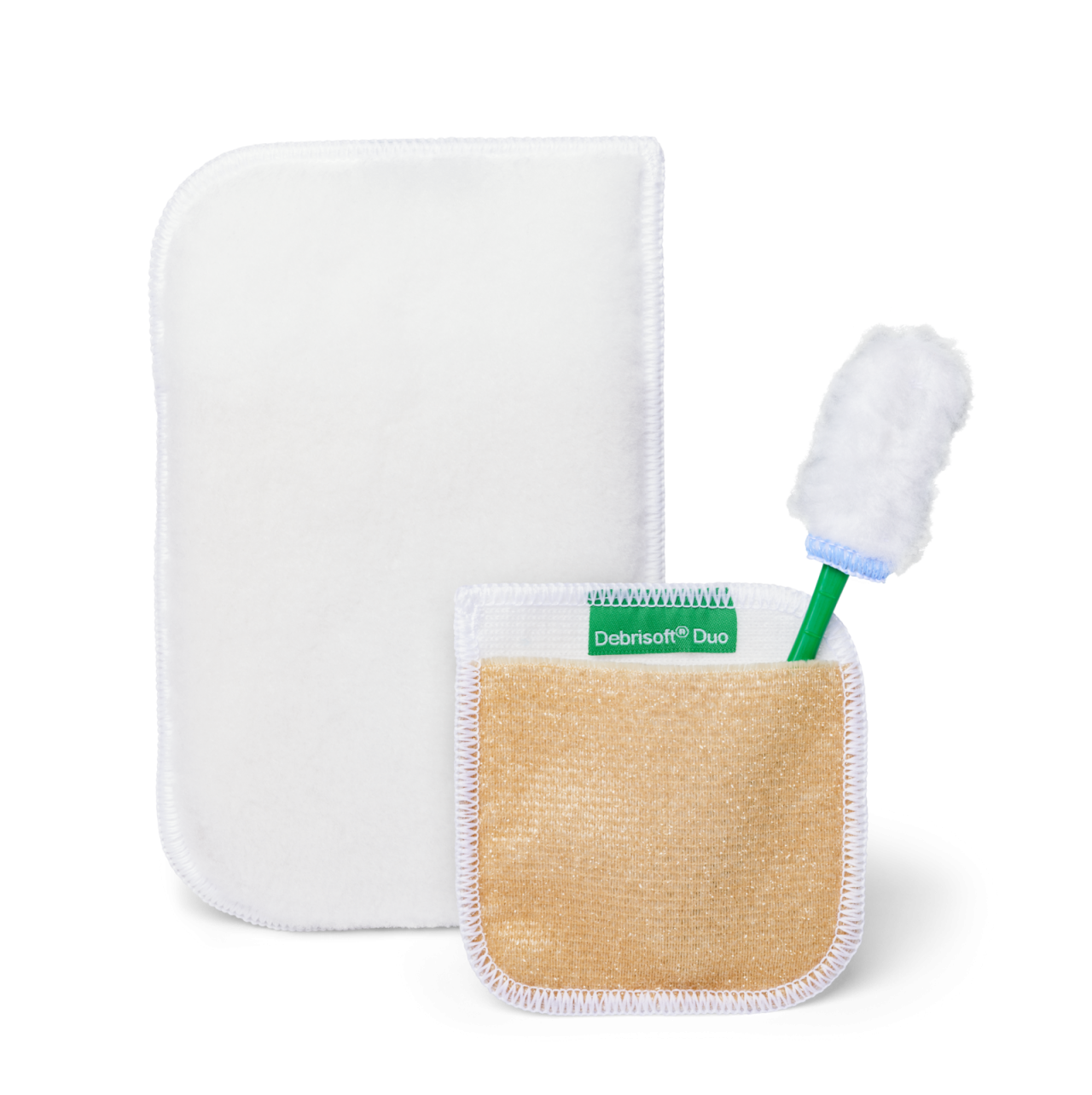
Discover the new side of debridement with Debrisoft Duo

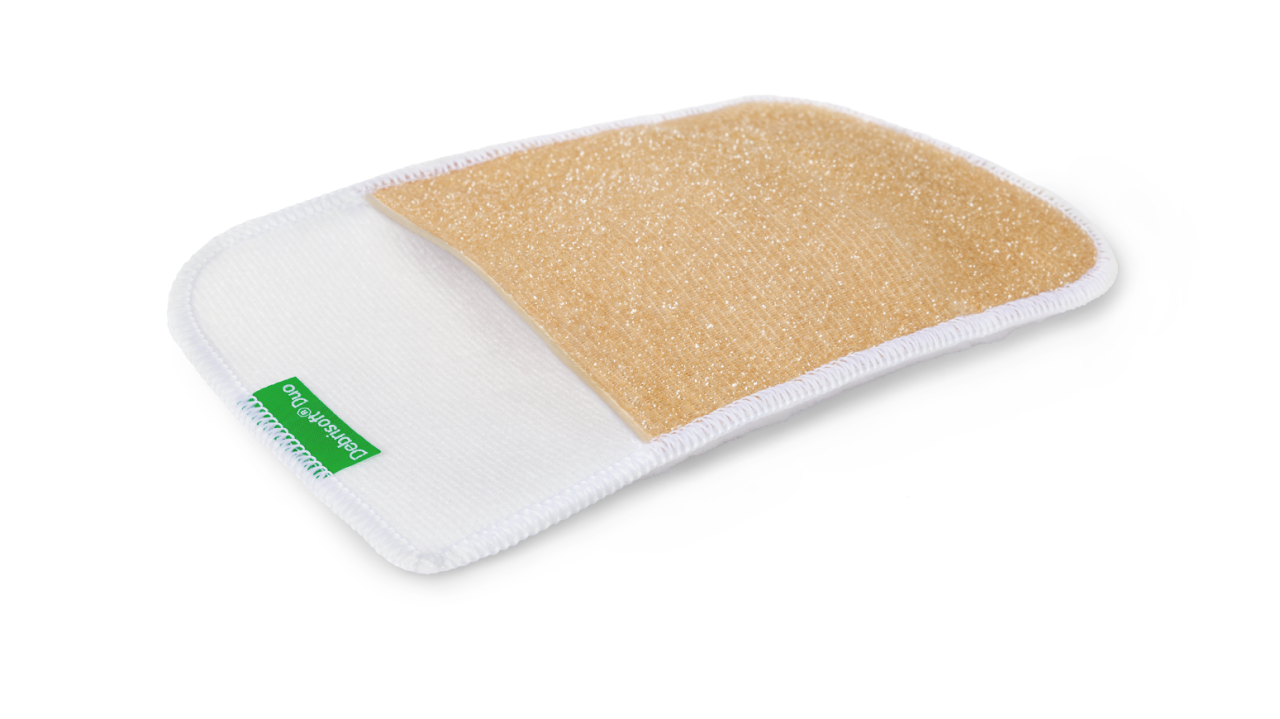
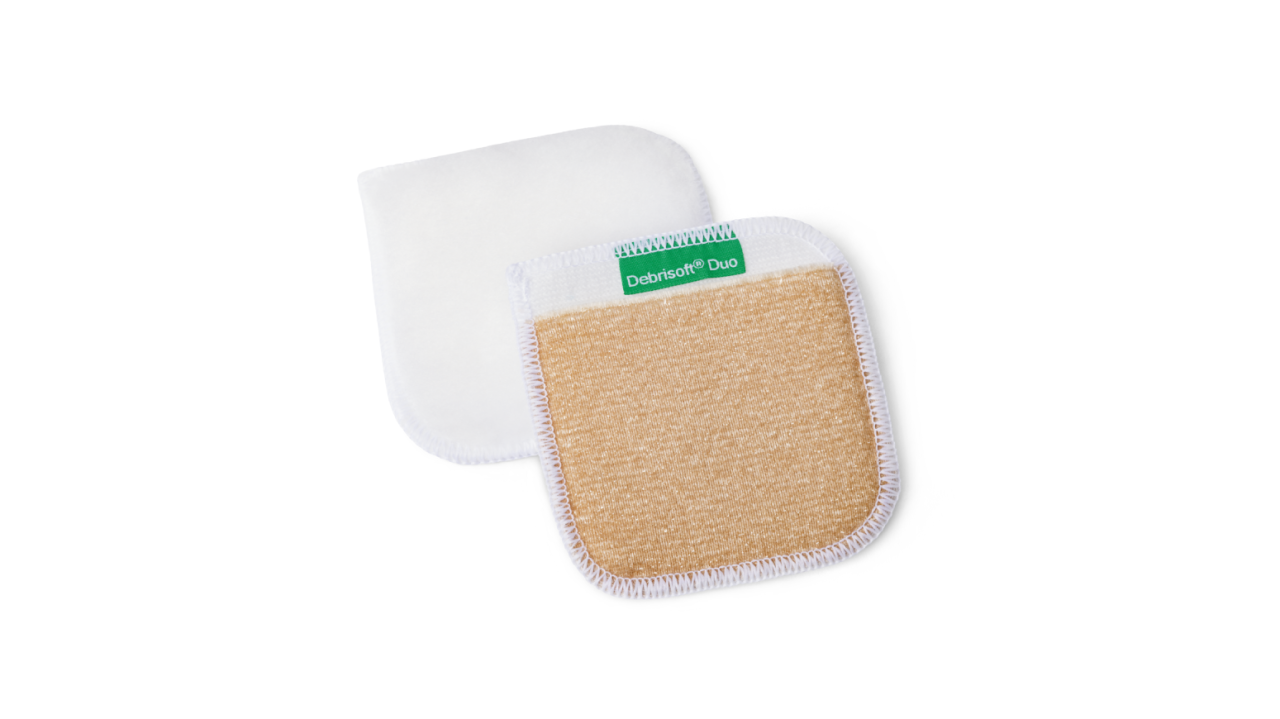
Introducing our latest innovation, Debrisoft Duo, a flexible 2-in-1 debridement pad designed to bust the barriers to wound healing.
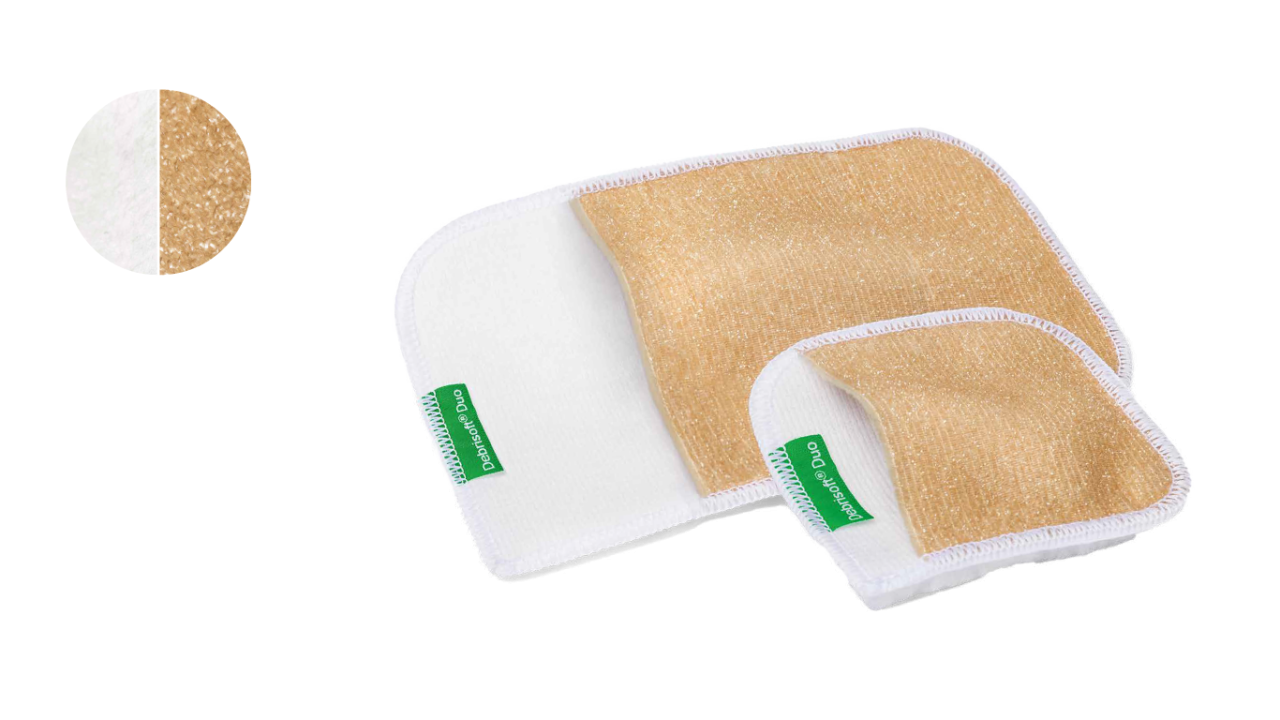
2 sides, one solution, no added cost!

  • New beige textured side: loosens firmly adherent fibrinous slough

  • Original white soft side: the same trusted performance for removing debris, exudate and biofilm from the wound

Available now on NHS Supply Chain and off script systems

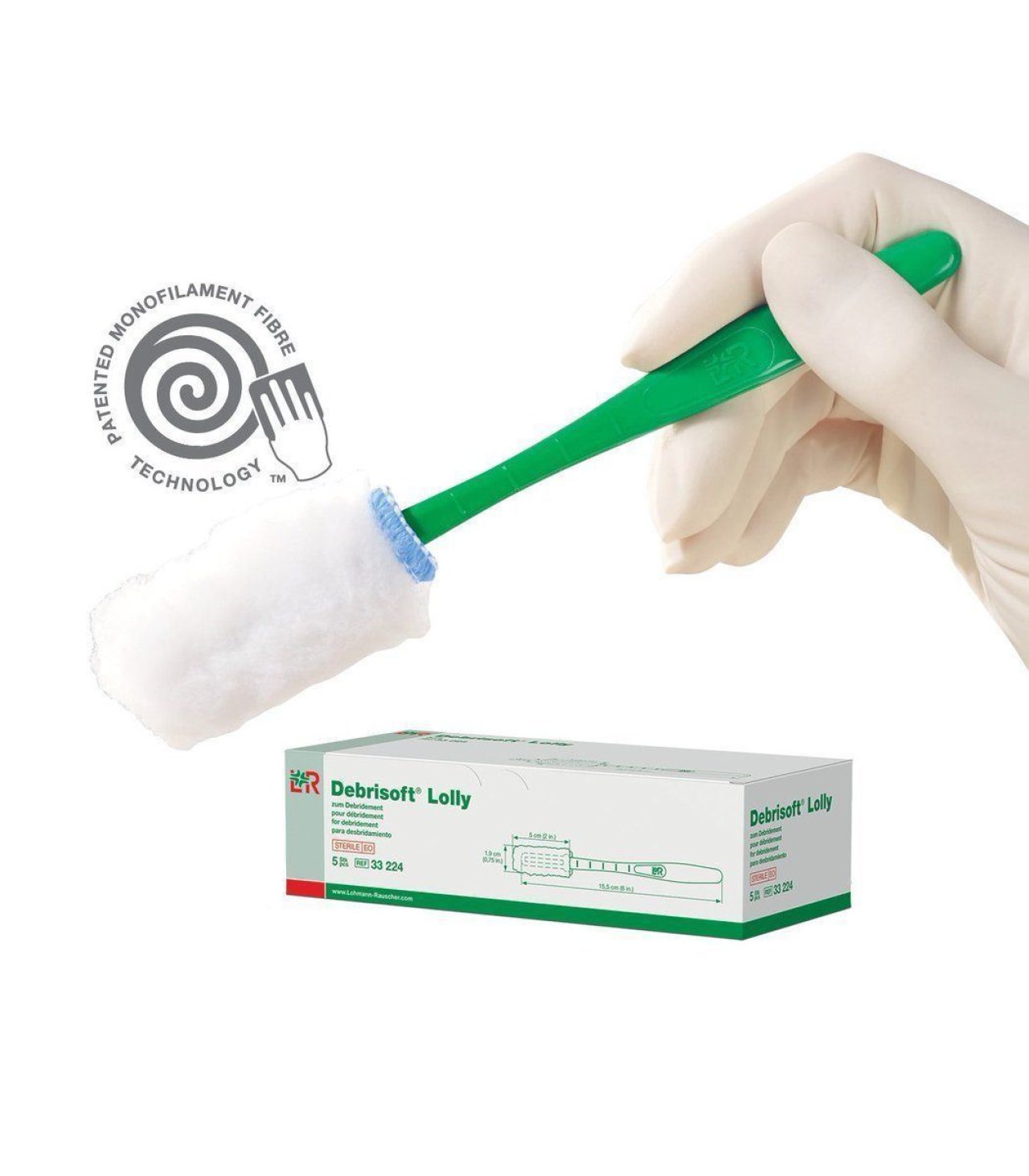
The entire Debrisoft® Family benefits from patented monafilament fibre technology™.

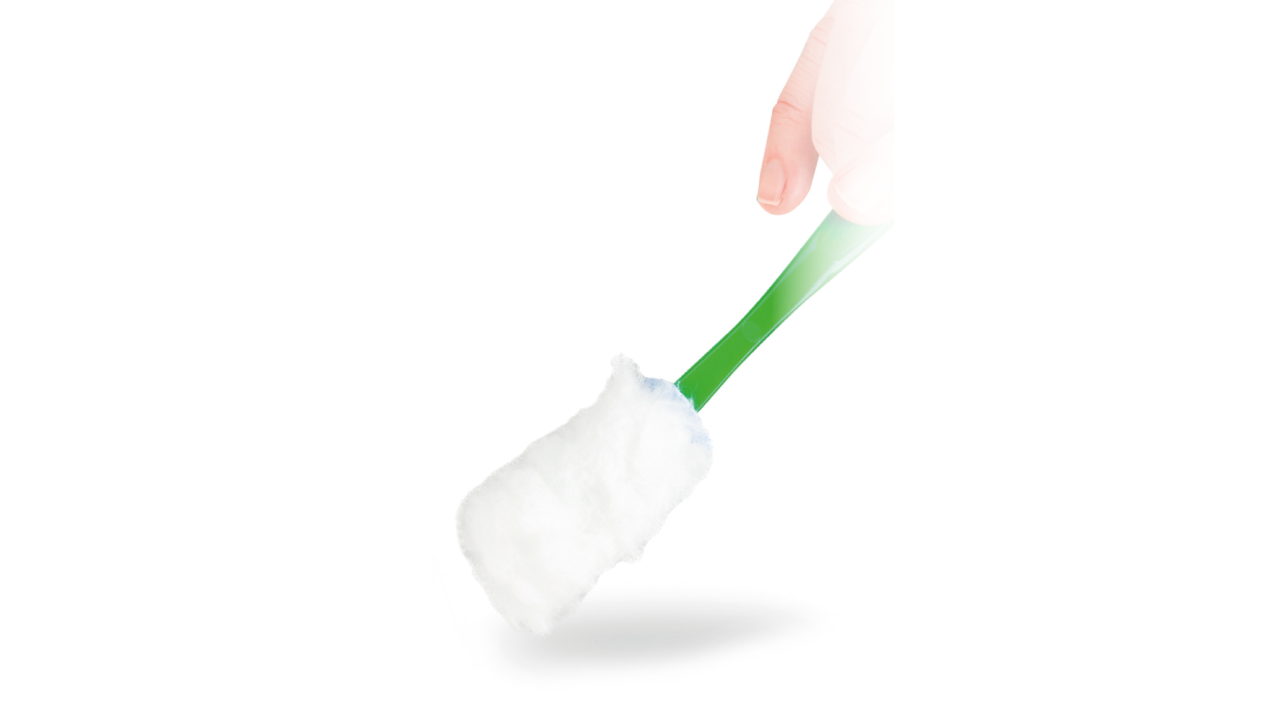
Each tool has millions of fibres, each cut and angled at different lengths designed to lift, bind and remove bacteria, helping to remove barriers to healing.

Mechanical debridements most evidenced form of safe, effective debridement, recommended by NICE (2019).

Removes barriers to healing such as debris, slough, bacteria and biofilm all of which have an impact on exudate production and progression to healing.
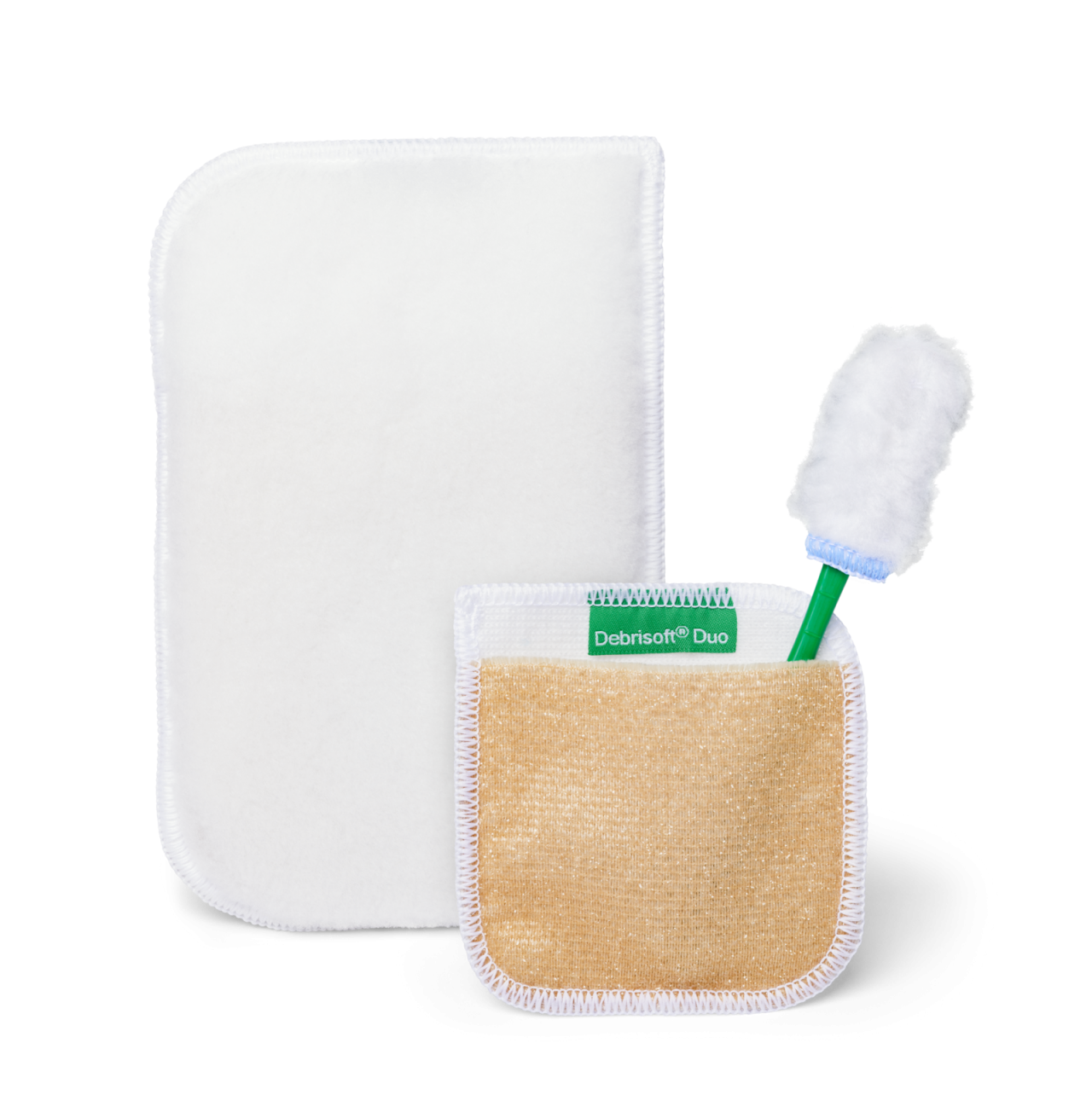
Advantages of Debrisoft Duo®

  • Original white soft side removes debris, exudate and biofilm from the wound

  • Gentle on newly formed granulation tissue and already established epithelial cells

  • New textured beige side loosens firmly adherent fibrinous slough

  • Highly effective

  • Easy and safe to use

  • Adapts to the patients’ needs

  • Debrisoft removes up to 99.9%* of biofilm

* For successful biofilm management, antimicrobial treatment is required after the wound has been cleansed with Debrisoft.
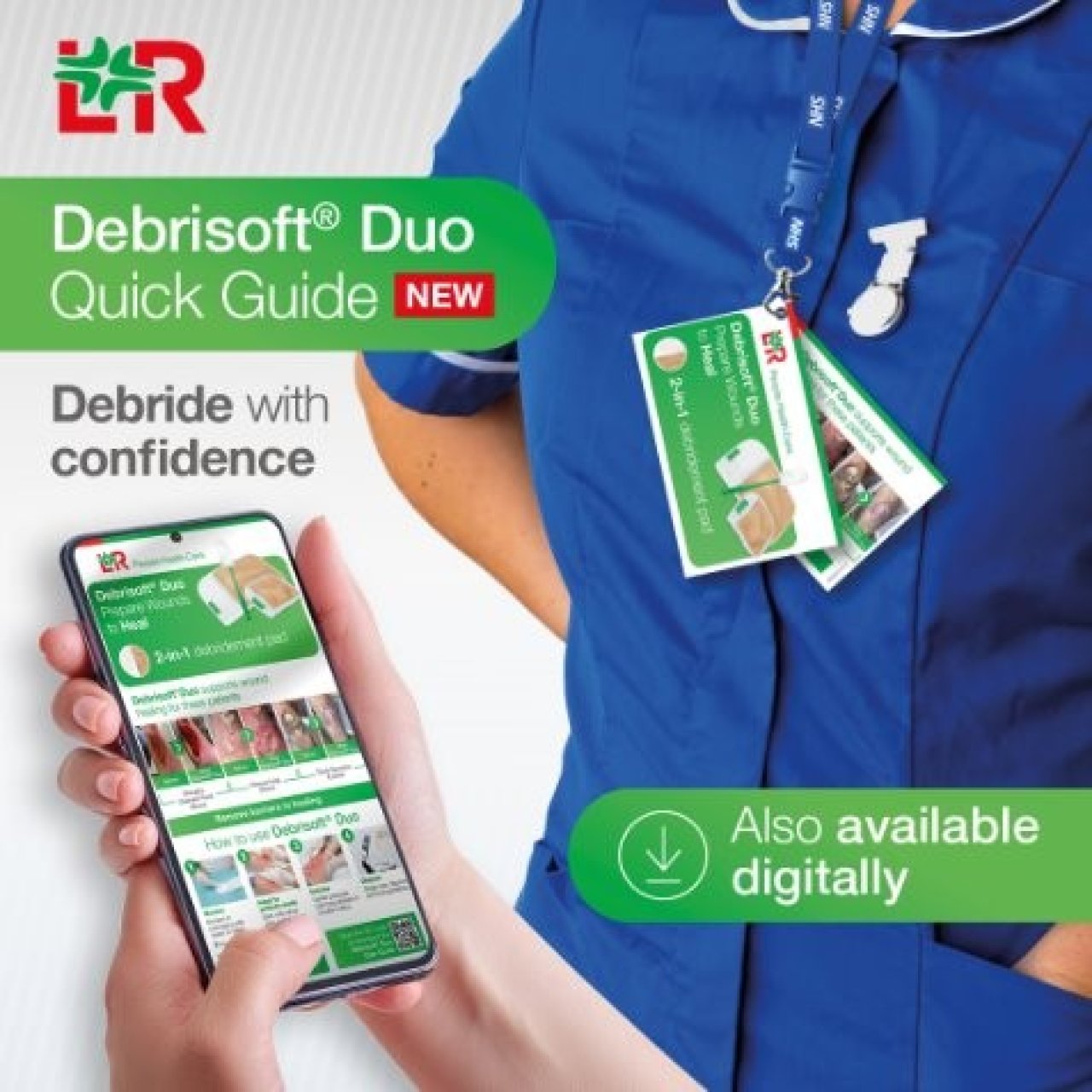
Debrisoft recommended by NICE as part of the management of acute or chronic wounds in the community.

Meet The Debrisoft® family

A shape and size for your every clinical need.

Indications for use:

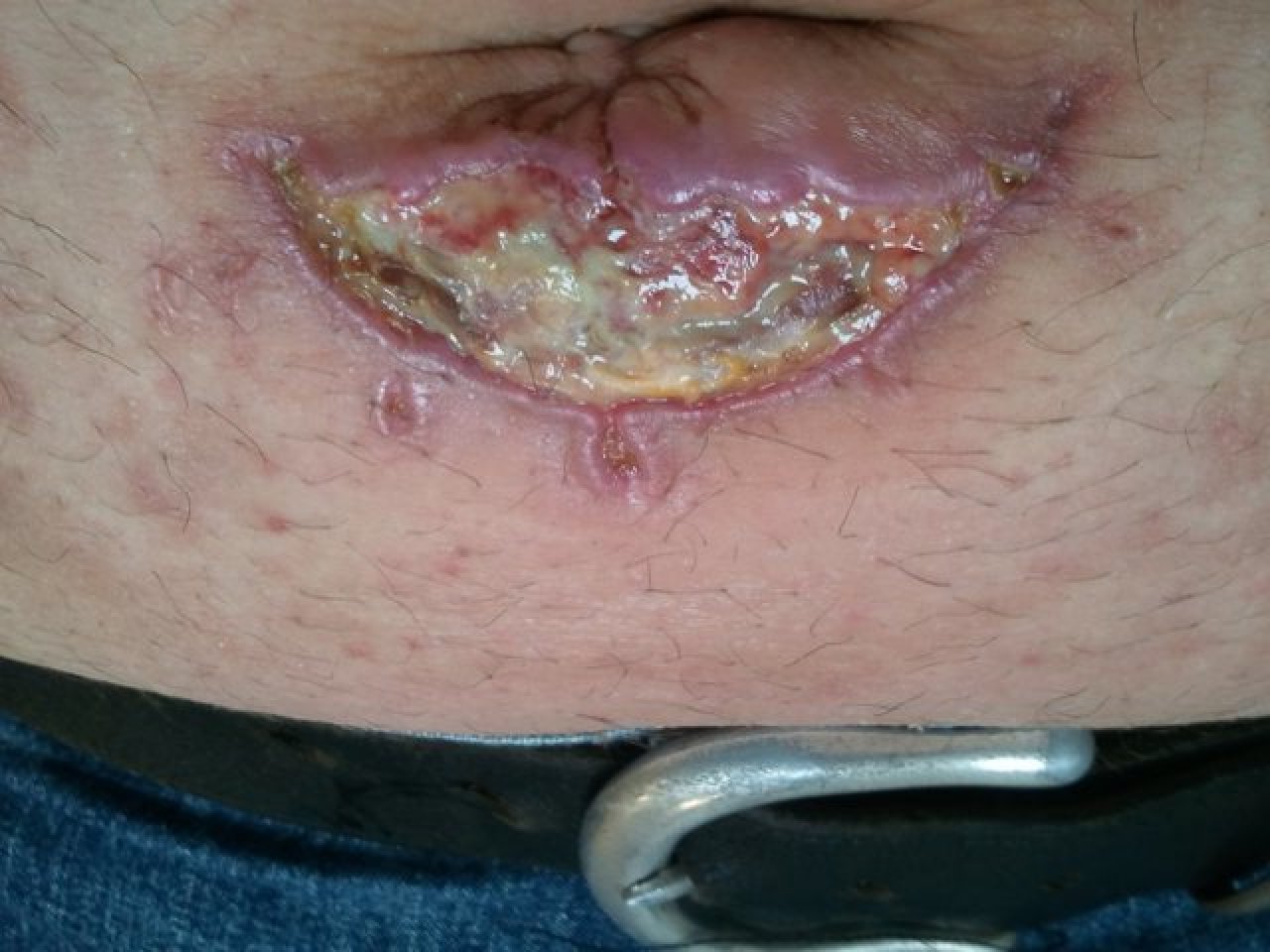
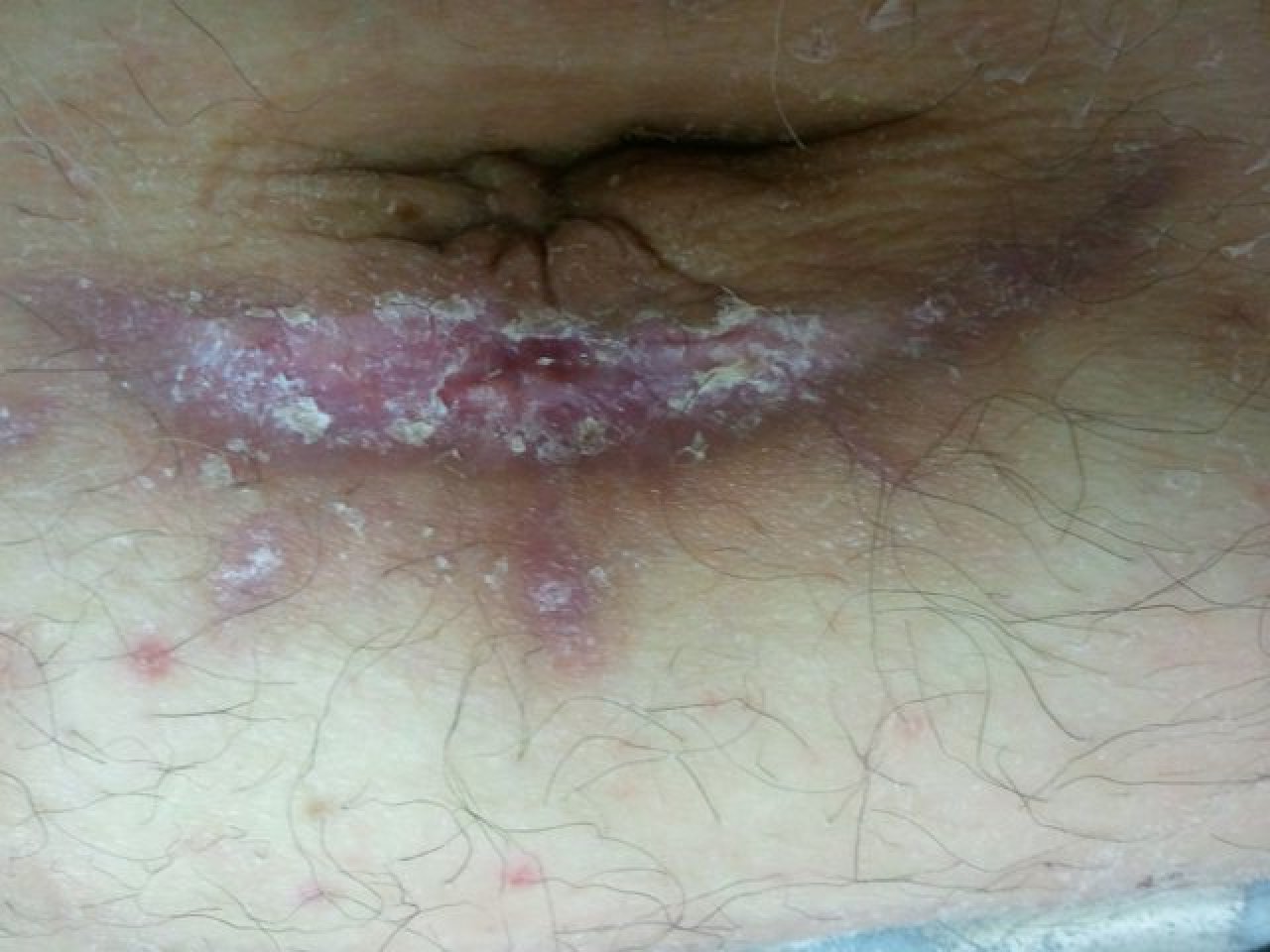
  • Debridement of superficial, chronic and acute wounds and the skin surrounding the wound.

  • diabetic ulcers

  • arterial and venous ulcers

  • decubitus ulcers

  • postoperative wounds healing by secondary intention

  • traumatic or surgical wounds (e.g. abrasions, incisions, lacerations)

  • burns and scalds (3rd degree: following surgical debridement)

  • lymphoedema

  • Suitable for dry, parchment-like, hyperkeratotic, seborrhoeic or oily healthy or damaged skin.

Useful Videos

Clinical Evidence

Wounds UK 2026 | Volume: 22 Issue: 1 Lisa Wood National Clinical Strategy Manager, L&R UK Kate Williams Director of Wound Care, Accelerate CIC

Demystifying debridement: introducing a new approach to mechanical debridement

This meeting report is based on a ‘Made Easy’ session that took place at the Wounds UK Annual Conference in Harrogate on 11 November 2025. The session and meeting report were supported by an educational grant from L&R.

Read more
Ruth Parkinson – Clinical Lead Tissue Viability and Leg Ulcer Service, West Essex Partnership University NHS Foundation Trust Co-Authors: April Coates, Frankie Cattermole, Louise Robertson

Effective debridement in a community setting using a new dual-sided monofilament debridement pad

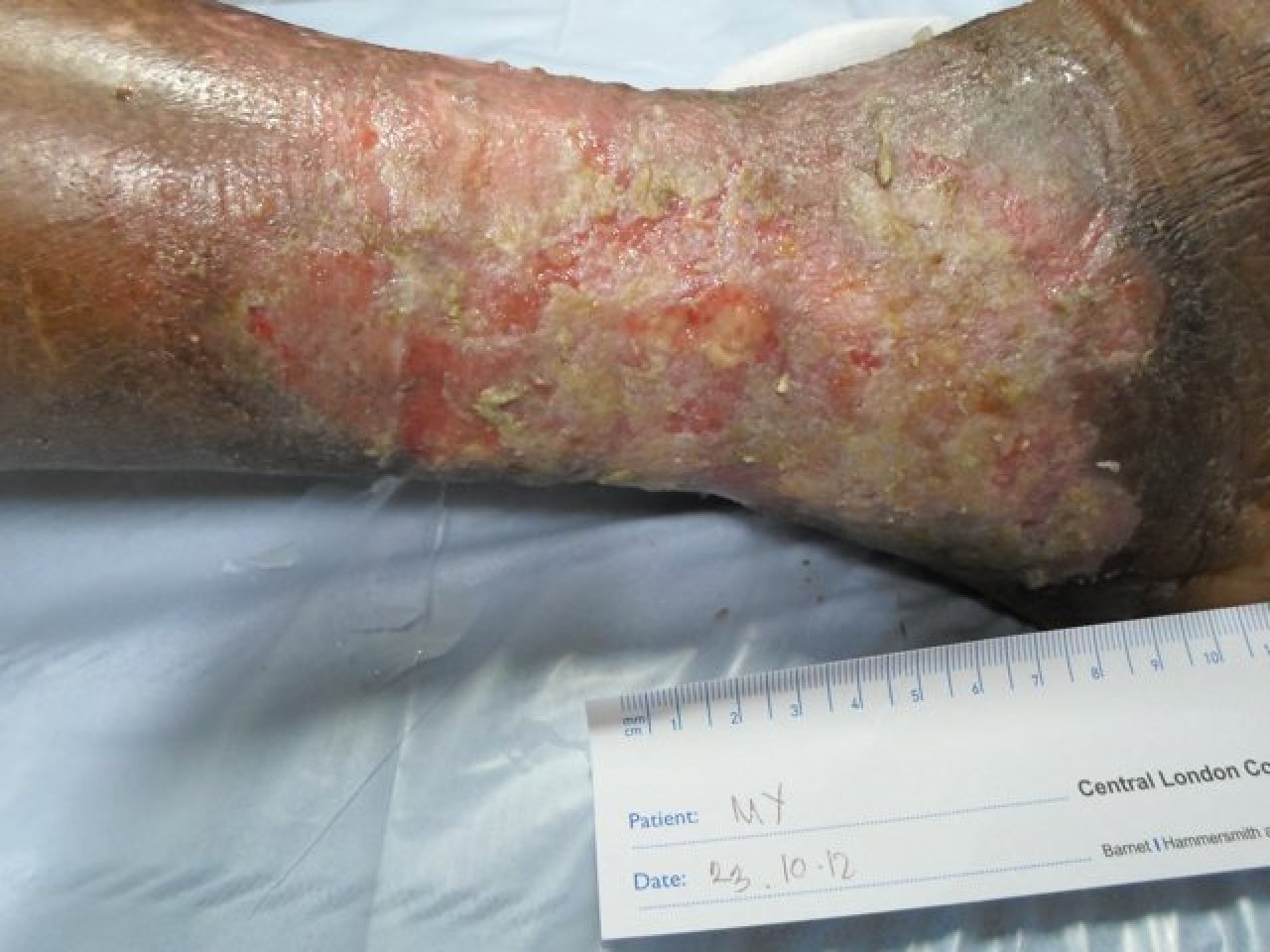
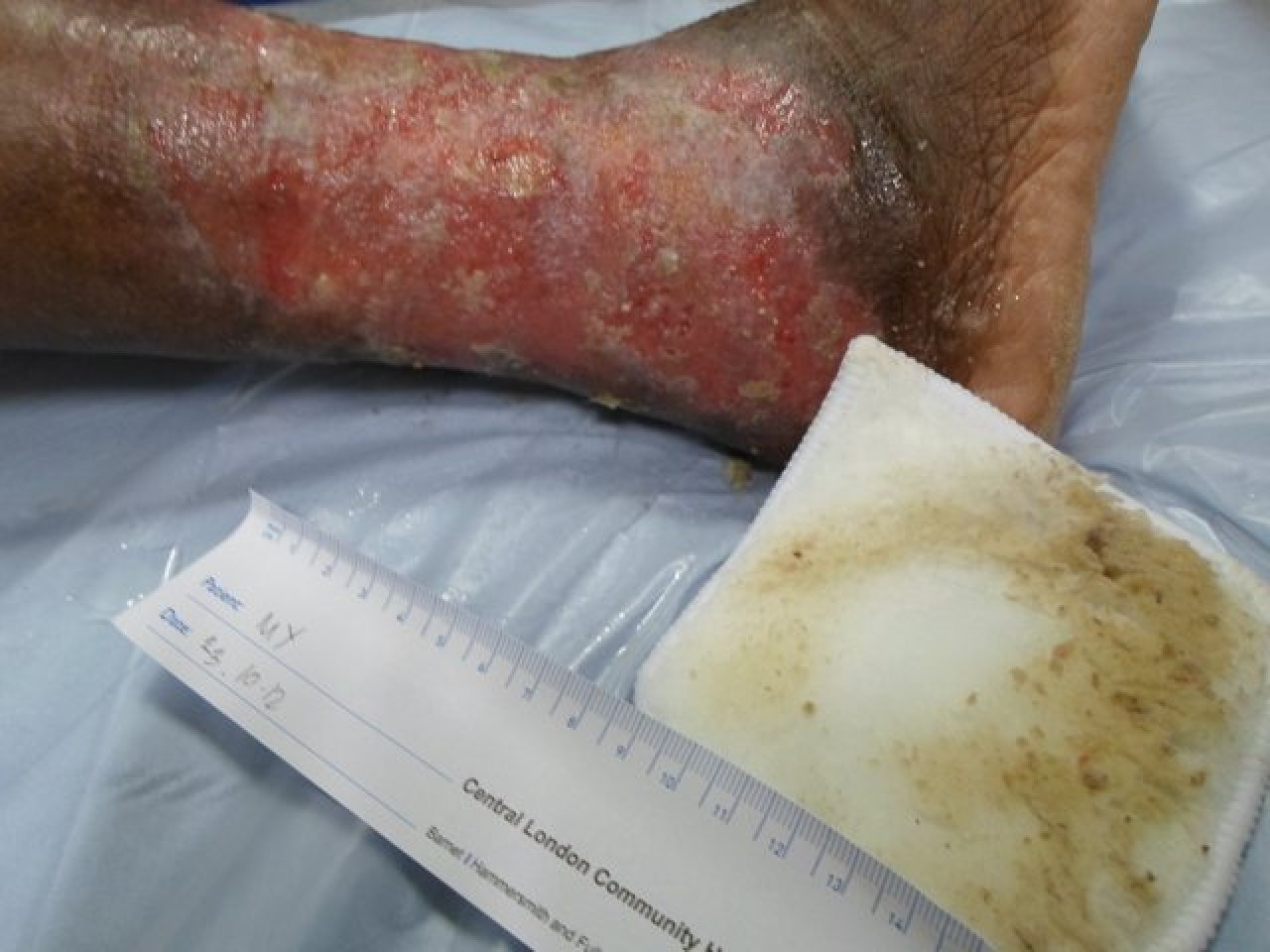
This poster details how an NHS Trust evaluated the effectiveness and efficiency of a new dual sided Monofilament Debridement Pad (MDP) focusing on the journey of 3 patients.

Read more
Katrina North, District Nurse, NHS Humber Health Partnership.

Introducing a new double-sided mechanical debridement pad to achieve effective wound bed preparation and promote wound closure.

A 74-year-old male with a complex cardiovascular history and dehisced fasciotomy wounds showed limited progress with traditional wound care methods. The introduction of a double-sided mechanical debridement pad significantly improved wound bed preparation, reducing slough, wound size, pain, and dressing frequency while promoting granulation and healing. This case demonstrates that a patient-centred, stepwise approach to mechanical debridement is effective and well-tolerated, even in high-risk patients with complex wounds.

Read more
Elizabeth Williams, Diabetic Podiatrist, Royal Devon and Exeter Foundation Trust.

The Synergistic Effect of Meticulous Debridement Using a Novel Debridement Pad and Sharp Debridement on Diabetic Foot Ulcer Healing: An 8-Patient Case Series

Debridement, the removal of non-viable tissue, is a universally recognised cornerstone in the clinical management of diabetic foot ulcers (DFUs). It is crucial for stimulating healing, reducing bioburden, and allowing for accurate wound assessment. While sharp debridement is considered the gold standard, its effectiveness can be enhanced by a multi-modal approach. This abstract presents a case series demonstrating the synergistic benefits of combining meticulous sharp debridement with a novel debridement pad to manage complex DFUs.

Read more

Learn more about the Debrisoft® family and how to correctly manage and treat wounds by visiting LeaRn On Demand today!

Order codes

Debrisoft Pad

Wound debridement

Debrisoft Pad Pad order codes
Wound debridement

Size 5 pack
10 x 10 358-1287 ELZ963 34321
13 x 20 409-0361 ELZ964 34323

Debrisoft Lolly

Wound debridement

Debrisoft Lolly Lolly order codes
Wound debridement

Size 5 pack
5 x 1.9 x 16 398-5124 ELZ728 33224

Debrisoft Duo Pads

Wound debridement

Debrisoft Duo Pads Duo Pads order codes
Wound debridement

Size Order Codes
10 x 10 434 -6367 ELZ85106 159 990
13 x 20 434-6375 ELZ85107 159 991

Upgrade to Debrisoft Duo

Enter your details below and we will help you make the switch to Debrisoft Duo